Saudi Aramco CEO Cancels Major Appearance as Iran Conflict Intensifies
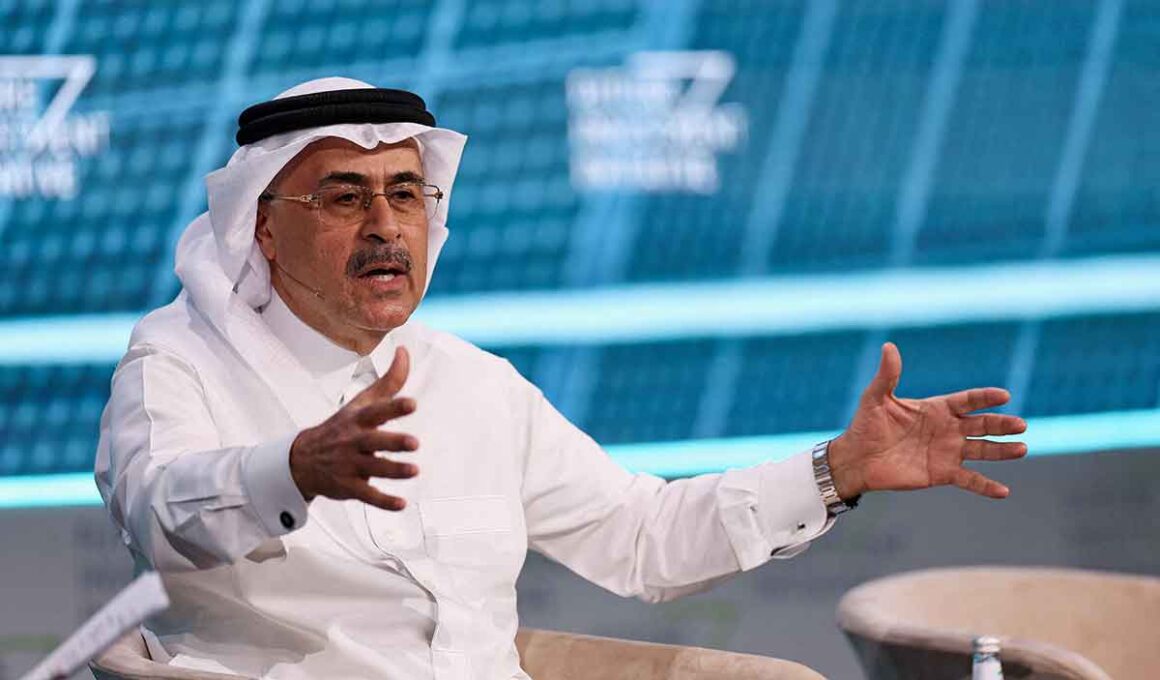
The global energy industry is facing one of its most tense moments in years, and a key sign of that came when Amin Nasser, CEO of Saudi Aramco, cancelled his planned appearance at one of the world’s biggest energy conferences.
Nasser was scheduled to attend CERAWeek in Houston — a major gathering of global energy leaders — but chose to remain in Saudi Arabia due to the ongoing Iran conflict.
His absence is more than just a scheduling change. It highlights the seriousness of the situation unfolding in the Middle East and its growing impact on global oil markets.
What Is CERAWeek and Why It Matters
A Global Energy Powerhouse Event
CERAWeek, organized by S&P Global, is one of the most important annual events in the energy world.
Every year, it brings together:
- Top oil and gas executives
- Government officials
- Policy experts
- Investors and analysts
The conference focuses on:
- The future of global energy
- Oil market trends
- Energy security and transition
Nasser has been a regular and influential speaker at the event, making his absence particularly noticeable.
Why Amin Nasser Stayed Back
A Crisis Demanding Immediate Attention
The ongoing conflict involving Iran has entered a critical phase, and its impact is being felt far beyond the region.
By staying in Saudi Arabia, Amin Nasser is focusing on managing what could be one of the biggest challenges of his leadership.
He also chose not to send a recorded message to the conference — another sign of how serious the situation has become.
The Strait of Hormuz: A Global Oil Lifeline at Risk
Why This Narrow Waterway Matters
At the center of the crisis is the Strait of Hormuz — one of the most important oil transit routes in the world.
- Around 20% of global oil supply passes through it
- Any disruption can send shockwaves across global markets
Recent developments have effectively shut down or severely disrupted this route, triggering major concerns.
Rising Tensions and Threats
The situation has escalated rapidly:
- Iranian retaliatory strikes have targeted energy infrastructure
- The United States, under Donald Trump, has issued strong warnings
- Threats of further attacks on energy facilities are increasing
This has turned the region into a high-risk zone for oil production and transportation.
Energy Infrastructure Under Attack
Aramco Facing a Familiar Crisis
For Saudi Aramco, this is not the first major disruption.
The company has previously dealt with:
- The 2019 attacks on key facilities
- The global demand shock during the COVID-19 pandemic
But the current situation may be even more complex.
Recent Attacks and Disruptions
Several key incidents have raised alarm:
- Drone strikes hit the SAMREF refinery, a joint venture involving ExxonMobil
- Missile and drone activity disrupted operations near the Red Sea
- Energy facilities across the Gulf region have been targeted
These attacks are not isolated — they are part of a broader escalation tied to the regional conflict.
Aramco’s Emergency Measures
Rerouting Oil Supplies
With the Strait of Hormuz under threat, Aramco is taking urgent steps to keep oil flowing.
The company is:
- Redirecting millions of barrels of oil per day
- Moving crude from its east coast to its west coast
- Using alternative export routes via the Red Sea
This allows tankers to load oil from ports like Yanbu, bypassing the Strait.
Cutting Production
Aramco has also reportedly reduced output:
- Around 2 million barrels per day have been cut
- Production has been scaled back at key oil fields
This reflects both logistical challenges and safety concerns.
Ripple Effects Across the Region
Other Energy Leaders Step Back
Nasser isn’t the only executive adjusting plans.
- The CEO of Kuwait Petroleum Corporation will not attend in person
- Representatives from Mubadala Investment Company are unlikely to participate
- Uncertainty remains around the attendance of leaders from ADNOC
This shows how widespread the impact of the crisis has become.
Damage Beyond Oil
The conflict is also affecting natural gas production.
For example:
- Qatar’s Ras Laffan facility has been hit
- Around 17% of the country’s LNG capacity could be offline for years
This adds another layer of pressure to global energy supplies.
A Warning for Global Markets
“Catastrophic Consequences” Ahead?
Amin Nasser has already warned that prolonged disruption could have severe consequences for global oil markets.
If the situation continues:
- Oil prices could surge dramatically
- Supply shortages may occur
- Inflation pressures could rise globally
The stakes are high not just for the region, but for the entire world economy.
What This Means for the Future of Energy
A Fragile Global System
The current crisis highlights how vulnerable the global energy system remains.
Despite efforts to diversify energy sources:
- Oil still plays a central role
- Key chokepoints like the Strait of Hormuz remain critical
Any disruption can quickly turn into a global issue.
Energy Security Back in Focus
This situation is forcing governments and companies to rethink priorities:
- Strengthening supply chains
- Investing in alternative routes
- Accelerating energy diversification
But these changes take time — and the immediate challenges remain.
Final Thoughts
The decision by Amin Nasser to skip CERAWeek is a clear signal that the energy world is entering a critical phase.
This is no longer just a regional conflict. It’s a situation with global consequences — affecting oil prices, supply chains, and economic stability.
As tensions continue to rise, the focus will remain on how major players like Saudi Aramco navigate the crisis — and what it means for the future of energy worldwide.