Jamie Dimon’s Big Message: A World at a Turning Point
Jamie Dimon, the longtime CEO of JPMorgan Chase, has delivered a powerful message in his latest annual shareholder letter.
At a time when the world is facing rising geopolitical tensions, economic uncertainty, and rapid technological change, Dimon is urging a return to core American values like freedom, opportunity, and resilience.
He believes the current moment—especially as the United States approaches its 250th anniversary—is a chance to reflect and refocus on what has historically made the country strong.
A World Full of Uncertainty
Wars and Global Tensions Are Top Concerns
Dimon didn’t shy away from the reality of today’s global landscape. He pointed to several major conflicts and risks shaping the economy, including:
- The ongoing war in Ukraine
- Rising tensions involving Iran
- Broader instability across the Middle East
- Increasing geopolitical friction with China
According to Dimon, these events are not isolated—they are deeply interconnected and can have ripple effects across global markets.
Why Geopolitics Matters for the Economy
Geopolitical conflicts impact more than just politics. They affect:
- Energy prices
- Supply chains
- Investor confidence
- Global trade flows
Dimon described these situations as highly unpredictable, warning that their outcomes could shape the future global economic order.
At the same time, he acknowledged that uncertainty cuts both ways—the long-term effects are still unclear.
Trade Wars and Economic Shifts
A Changing Global Trade Landscape
Another major issue Dimon highlighted is the shifting nature of global trade.
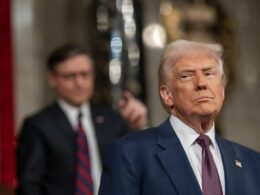
Policies introduced by Donald Trump, including tariffs on multiple countries and industries, have triggered a rethinking of international trade relationships.
Countries are now:
- Reassessing partnerships
- Exploring new alliances
- Focusing more on economic self-reliance
What This Means Long-Term
Dimon noted that while some of these changes are necessary for national security and resilience, they also create uncertainty.
The big question is:
Will these shifts strengthen the global economy—or fragment it?
For now, no one has a clear answer.
Inflation and Economic Pressure
Persistent Challenges Remain
Beyond geopolitics and trade, Dimon pointed to ongoing economic pressures such as inflation.
Even though inflation has eased in some regions, it continues to:
- Affect consumer spending
- Influence interest rates
- Shape central bank policies
These factors add another layer of complexity to an already uncertain environment.
The AI Revolution: Opportunity and Unknowns
A Technology Unlike Any Before
Dimon also focused heavily on artificial intelligence, describing it as one of the most transformative forces of our time.
According to him, the speed at which AI is being adopted is unprecedented. It is already reshaping industries, including banking.
Not a Bubble, But Still Unpredictable
While some fear that AI might be overhyped, Dimon made his position clear:
He does not see AI as a speculative bubble.
Instead, he believes it will deliver real, long-term benefits. However, there’s a catch—no one knows exactly how it will play out.
Key uncertainties include:
- Which companies will dominate
- How jobs will be affected
- What new risks might emerge
How JPMorgan Is Using AI
Embracing Change, Not Avoiding It
JPMorgan is not sitting on the sidelines. The bank is actively integrating AI into its operations to improve efficiency and customer experience.
Dimon emphasized that the company is committed to using technology responsibly and strategically.
Transforming the Workforce
AI is also changing how work gets done inside the bank.
Earlier this year, Dimon revealed that JPMorgan has major plans to redeploy its workforce as AI takes over certain tasks.
This doesn’t necessarily mean job losses—it could also mean:
- Employees shifting to new roles
- Increased productivity
- Better decision-making tools
Real-World Applications
The bank is already using advanced AI systems to:
- Speed up workflows
- Analyze data more effectively
- Deliver better outcomes for clients
Executives like Chief Analytics Officer Derek Waldron have demonstrated how these tools are improving both efficiency and performance.
The Bigger Risk: What We Don’t Know
Beyond the Obvious Challenges
Dimon stressed that while companies can prepare for known risks, the real challenge lies in the unknown.
Technological shifts like AI often bring second- and third-order effects—unexpected consequences that can reshape society in ways we can’t predict.
This includes:
- Changes in job markets
- New ethical and regulatory challenges
- Shifts in global power dynamics
A Call to Return to Core Values
Why Values Matter More Than Ever
Amid all this uncertainty, Dimon’s message is not just about risks—it’s also about resilience.
He believes that the United States has historically overcome challenges by staying true to its core values:
- Freedom
- Opportunity
- Innovation
Confidence in the Future
Despite the long list of concerns, Dimon remains optimistic.
He expressed confidence that America will continue to adapt and lead, just as it has in the past.
His message is clear:
The future may be uncertain, but the foundation remains strong.
What This Means for Investors and Businesses
Stay Alert, Stay Flexible
Dimon’s insights offer a roadmap for navigating today’s environment:
- Expect volatility from geopolitical events
- Monitor changes in global trade
- Prepare for continued AI disruption
Focus on Long-Term Trends
While short-term uncertainty is unavoidable, long-term trends like AI adoption and economic realignment are likely to shape the future.
Understanding these shifts can help investors and businesses make better decisions.
Final Thoughts
Jamie Dimon’s annual letter is more than just a corporate update—it’s a snapshot of a world in transition.
From global conflicts and trade tensions to the rise of artificial intelligence, the challenges are real and complex.
But so are the opportunities.
As the world navigates this uncertain period, one thing stands out: those who adapt, stay informed, and remain grounded in strong principles will be best positioned for what comes next.