CoreWeave Shares Slide After Earnings Shock
Shares of CoreWeave tumbled 18% after the company issued disappointing revenue guidance and unveiled a much larger-than-expected capital expenditure plan for 2026.
The New Jersey-based AI infrastructure provider said it plans to spend between $30 billion and $35 billion next year — far above the $26.9 billion estimate from analysts tracked by FactSet. That announcement immediately raised concerns on Wall Street about profitability and long-term financial sustainability.
Investors reacted swiftly. The stock dropped sharply as fears grew that aggressive spending could squeeze margins and increase financial risk.
Why Is CoreWeave Spending So Much?
CoreWeave operates a unique business model in the artificial intelligence ecosystem. It rents out high-performance data centers packed with advanced GPUs — primarily from Nvidia — to companies building and running AI systems.
Its major customers include tech giants like Microsoft and OpenAI.
Demand for AI computing power has exploded over the past two years. Training and running large AI models requires enormous processing capacity, and companies like CoreWeave have stepped in to supply it.
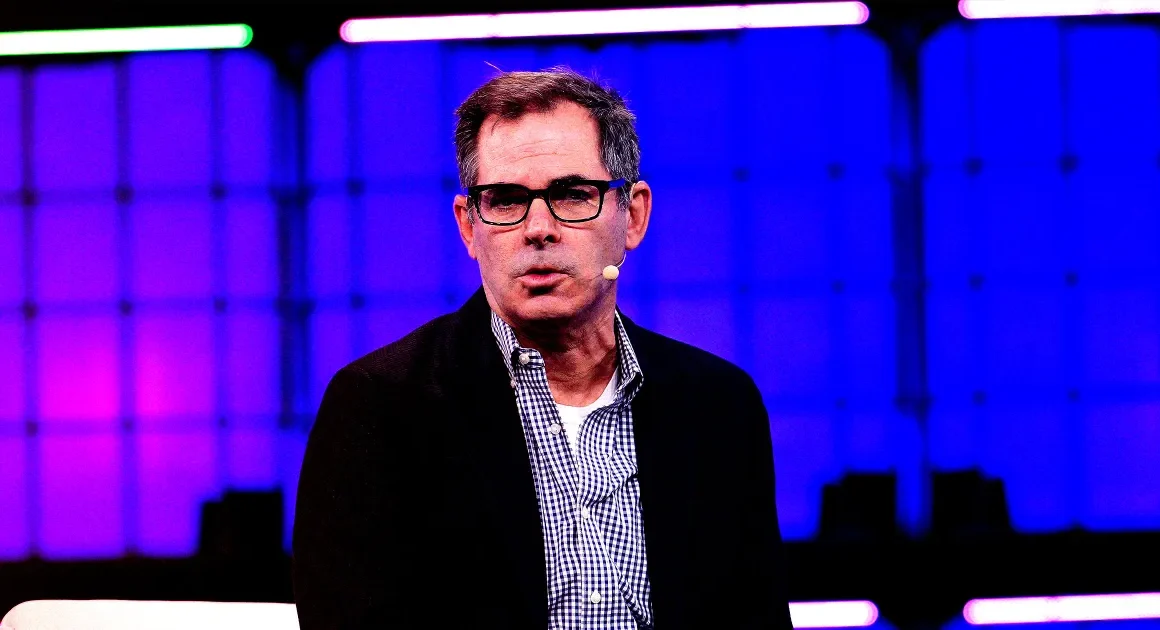
CEO Mike Intrator addressed investor concerns during an interview on CNBC, saying the company is intentionally accelerating its infrastructure buildout to meet what he described as a “once in a generation moment” for AI capacity demand.
He acknowledged that the spending levels look massive but emphasized that the company’s backlog is strong.
According to Intrator, CoreWeave is choosing to accept short-term margin pressure in exchange for long-term growth opportunities.
The AI Gold Rush: Opportunity or Risk?
The AI boom has created enormous demand for computing infrastructure. Companies developing large language models, enterprise AI tools and generative applications need access to thousands of GPUs working simultaneously.
CoreWeave’s strategy is straightforward:
Borrow money
Buy advanced Nvidia chips
Install them in data centers
Rent computing capacity to AI companies
This approach allows AI developers to avoid building their own expensive infrastructure.
However, the strategy comes with risks.
Heavy Dependence on Debt
One of the biggest concerns among investors is CoreWeave’s reliance on debt financing.
The company uses borrowed money to fund its large-scale purchases of Nvidia chips. As spending increases into the tens of billions of dollars, so does its debt burden.
Critics worry about:
Rising interest costs
Market volatility
Credit tightening
Overexposure to capital-intensive assets
If AI demand slows unexpectedly or customers cut spending, CoreWeave could be left with expensive infrastructure and significant financial obligations.
Intrator pushed back against these concerns, arguing that the company’s cost of capital has actually improved.
He said CoreWeave’s cost of capital has declined by 300 basis points over the past 12 months and by 600 basis points over the past two years. Across the company’s debt load, he estimated that the 300-basis-point drop translates into roughly $700 million in savings.
According to the CEO, fears about rising capital costs are not supported by the company’s actual financial data.
Revenue Guidance Adds to Market Anxiety
While investors may understand the long-term AI opportunity, short-term numbers matter on Wall Street.
CoreWeave’s updated revenue guidance fell short of expectations, which amplified concerns about whether the aggressive infrastructure spending will deliver proportional returns.
When a company increases spending dramatically without a matching revenue outlook, analysts tend to question the timing and scale of investments.
The result was immediate pressure on the stock.
Concentration Risk: A Small Group of Big Customers
Another issue investors are watching closely is customer concentration.
CoreWeave generates most of its revenue from a relatively small group of hyperscalers and AI firms. Microsoft and OpenAI are among its largest clients.
While these are strong, established companies, heavy reliance on a few customers creates vulnerability.
If even one major client reduces usage or negotiates lower pricing, the financial impact could be significant.
In high-growth phases, customer concentration can accelerate revenue. But during downturns, it can amplify risk.
Wall Street Braces for Volatility
Analysts expect a bumpy road ahead.
Barclays analysts believe the stock may remain under pressure as investors evaluate the implications of CoreWeave’s spending plans.
JPMorgan analysts warned that in a risk-off market environment — where investors move away from higher-risk assets — CoreWeave shares could suffer disproportionately.
High-growth, high-spending companies are often the first to feel pressure during periods of economic uncertainty.
If broader market volatility increases, CoreWeave’s aggressive expansion strategy could face tougher scrutiny.
Is CoreWeave Overextending or Playing It Smart?
The central debate surrounding CoreWeave boils down to one question:
Is the company wisely investing to dominate AI infrastructure, or is it stretching itself too far financially?
Supporters argue that AI demand remains relentless. As long as companies continue training and deploying advanced models, infrastructure providers like CoreWeave stand to benefit enormously.
The CEO’s confidence suggests that management sees long-term contracts and backlog strength as justification for the spending spree.
Skeptics counter that:
Capital expenditures are rising faster than revenue
Debt levels are increasing
Margins are under pressure
Market conditions could shift
In technology cycles, timing is everything. Expanding too slowly can mean missing an opportunity. Expanding too aggressively can strain finances.
The Bigger Picture: AI Infrastructure Arms Race
CoreWeave is not alone in ramping up infrastructure investment. Across the industry, companies are racing to secure GPU supply and data center capacity.
The AI boom has created something similar to an arms race. Companies that control computing capacity may gain strategic advantage in attracting top AI customers.
By committing up to $35 billion in spending for 2026, CoreWeave is making a bold statement that it intends to be a key player in that race.
Whether that bet pays off depends on sustained AI demand and stable financial markets.
What Investors Should Watch Next
Several factors will determine CoreWeave’s trajectory in the coming quarters:
Execution on infrastructure buildout
Growth in long-term contracts
Debt management strategy
Changes in interest rates
Customer diversification
If the company can maintain strong backlog growth while gradually improving margins, investor confidence may return.
If revenue growth slows while spending remains elevated, pressure could intensify.
Final Takeaway
CoreWeave’s 18% stock plunge reflects investor anxiety over profitability and capital intensity — not necessarily a collapse in AI demand.
CEO Mike Intrator has made it clear that the company is deliberately sacrificing short-term margins to capture a massive AI infrastructure opportunity.
The strategy is bold, expensive and high-risk. But in transformative technology cycles, bold moves often define long-term winners.
For now, Wall Street remains cautious. The AI infrastructure boom is real — but so are the financial challenges that come with fueling it.